
What Window Coverings Should You Choose for Roof Windows? A Practical Guide
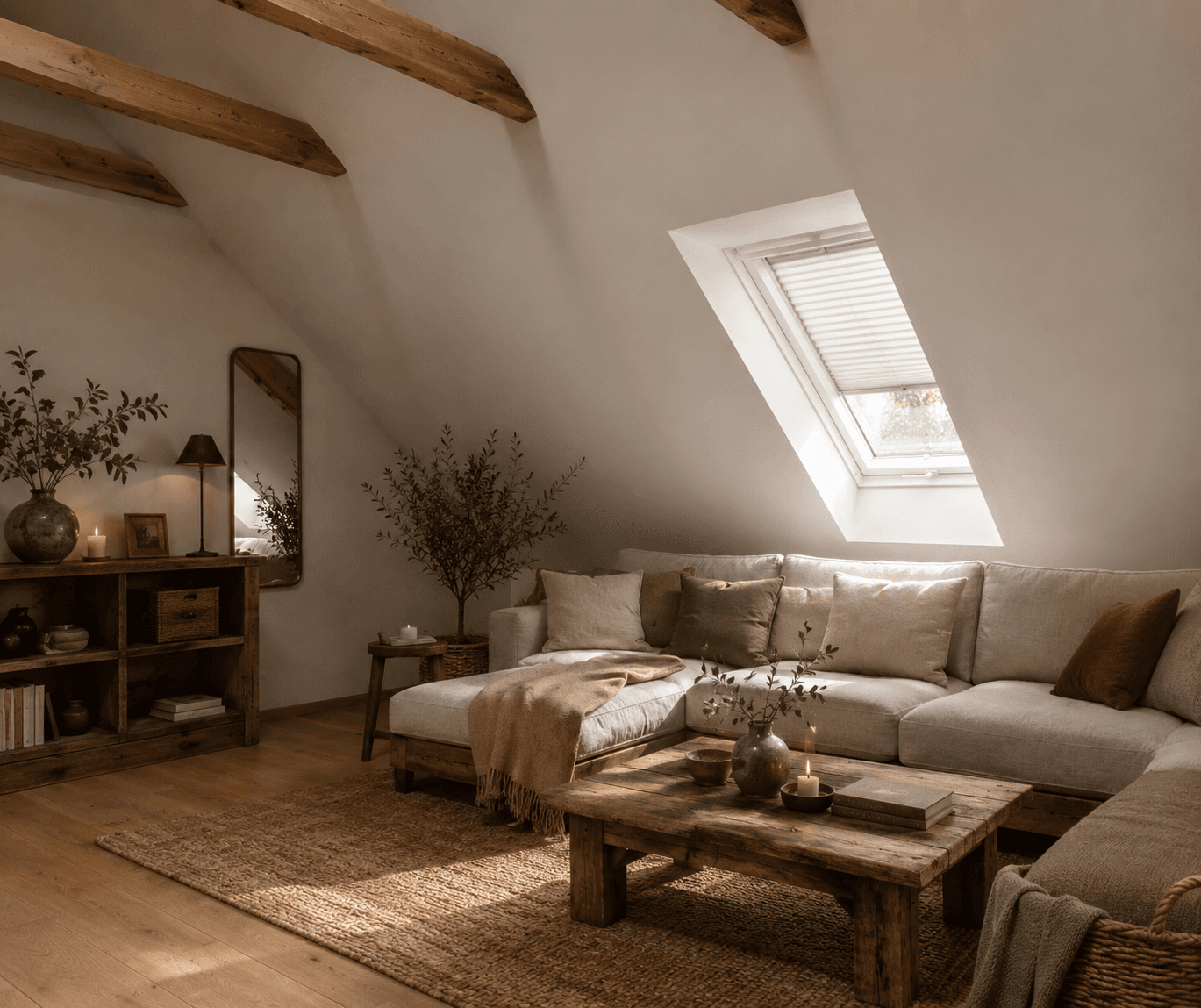
Roof windows bring plenty of natural light into a room, but they also place different demands on window coverings than standard vertical windows. Intense sunlight, the need to darken a bedroom, heat build-up and the ability to open the window without letting insects inside are just some of the factors worth considering.
That is why there is no single roof window covering that will be best in every situation. It all depends on what you need: light control, blackout, improved thermal comfort or protection against insects.
At NordiBlinds, you can choose from different types of pleated blinds for roof windows as well as a dedicated roof window mosquito net. Let’s look at the differences and when each solution works best.
Where Should You Start When Choosing a Roof Window Covering?
Instead of starting with the colour of the fabric, start with its function.
Think about the room where the window is located and the problem you want to solve.
In a home office, your main priority may be reducing harsh sunlight and glare on your screen. In a living room, you may want to maintain natural light while gaining more privacy. In a bedroom, blackout may be the priority, while in a sunny attic room, additional insulation can make a noticeable difference.
If you are not sure which type of pleated blind is right for you, take a look at our Pleated Blinds Guide: How to Choose the Right Fit, where we explain in more detail how to match the fabric and properties of pleated blinds to the function of a room.
Standard Pleated Blinds – When Light and Privacy Matter
Not every roof window needs to be completely darkened.
If your main goal is to reduce the intensity of sunlight, increase privacy and create a more comfortable atmosphere, Standard pleated blinds can be a good choice.
Their single-layer construction helps reduce incoming light without completely darkening the room. Depending on the fabric you choose, Standard pleated blinds allow you to find the right balance between daylight and privacy.
They are a good option for rooms where you still want to make the most of natural light.
Honeycomb – When Thermal Comfort Matters Too
Temperature is another important consideration when choosing coverings for roof windows.
If the room receives a lot of direct sunlight or you want additional insulation around the window throughout the year, Honeycomb pleated blinds are worth considering.
Unlike a classic single-layer pleated blind, Honeycomb fabric has a distinctive cellular structure. The air pockets created inside the fabric form an additional insulating layer between the window and the interior.
This helps reduce heat transfer into the room during summer and heat loss through the window during winter, while still allowing some natural light into the space.
If you would like to learn more about how this construction works, read our Honeycomb Pleated Blinds – A Smarter Way to Improve Comfort and Energy Efficiency article. There, we explain the differences between Honeycomb and Honeycomb Blackout and take a closer look at the insulating properties of the cellular structure.
Honeycomb Blackout – For Bedrooms and Rooms That Need Darkening
A roof window in a bedroom presents a different challenge.
Morning sunlight entering directly through the window can quickly brighten the entire room. If you want a much darker sleeping environment, Honeycomb Blackout is the better option.
The fabric combines a honeycomb structure with a blackout layer concealed within its construction. This significantly reduces incoming light while also providing excellent thermal insulation.
For this reason, Honeycomb Blackout is particularly well suited to bedrooms, children’s rooms and other spaces where strong light reduction is important.
Standard, Honeycomb or Honeycomb Blackout?
The easiest way to choose between the three is to think about your main priority.
If your priority is... | Choose |
|---|---|
Light control and privacy | Standard |
Natural light + additional insulation | Honeycomb |
Strong blackout + high thermal insulation | Honeycomb Blackout |
There is no need to choose Blackout for every roof window. In a living room or home office, keeping some natural daylight may be preferable, while in a bedroom, stronger blackout can make a significant difference.
Which Pleated Blinds Are Best for a Bedroom with Roof Windows?
For a bedroom, Honeycomb Blackout is the most functional choice when you want both strong light reduction and additional insulation.
These two properties are particularly valuable in a room designed for sleep. The blackout construction helps reduce early morning light, while the cellular structure provides an additional insulating layer at the window.
If you prefer waking up with natural daylight and privacy is more important to you than blackout, a more light-permeable fabric may be a better choice.
Which Pleated Blinds Are Best for a Home Office in the Attic?
The requirements are usually different in a home office.
Complete blackout is rarely the main goal. Instead, you may want to reduce harsh sunlight and create comfortable conditions for working without making the room unnecessarily dark.
In this case, consider Standard or Honeycomb, depending on how much direct sunlight the room receives.
Honeycomb can be particularly useful if the office becomes noticeably warm on sunny days. If heat is less of an issue, a classic pleated fabric may be sufficient.
What Should You Choose for a Very Sunny Roof Window?
For windows exposed to strong sunlight, the construction of the fabric becomes particularly important.
Honeycomb creates air pockets that provide an additional barrier between the glass and the room. Honeycomb Blackout adds stronger light reduction while providing excellent insulating properties.
For very sunny roof windows, Honeycomb or Honeycomb Blackout are therefore particularly worth considering.
The choice between them depends on whether you want to preserve some natural daylight or whether stronger blackout is the priority.
What About Insects? Mosquito Nets for Roof Windows
Pleated blinds help with light control, privacy and, depending on the fabric, thermal comfort.
They do not, however, protect an open window against insects.
If you regularly open your roof windows during the warmer months, you can complement your window covering with a roof window mosquito net.
This solution is designed specifically for roof windows. The mesh can be extended when you want to ventilate the room and retracted when it is not needed.
This means you can take advantage of cooler evening air without leaving an open route for mosquitoes, flies and other insects.
Pleated Blind or Roof Window Mosquito Net?
You do not actually have to choose between them because they perform completely different functions.
A pleated blind is primarily designed for light control, privacy, blackout and, in the case of Honeycomb fabrics, additional insulation.
A roof window mosquito net protects the open window against insects.
In many cases, the best solution is therefore to use both products together.
During a sunny day, you can use the pleated blind to control light. In the evening, you can open the window and use the mosquito net, allowing fresh air into the room while keeping insects outside.
Do You Need the Same Covering on Every Roof Window?
Not necessarily.
Using the same type of covering on every roof window may seem like the simplest approach, but matching the function of the covering to each room can give you a much better result.
For example:
Bedroom: Honeycomb Blackout + roof window mosquito net
Home office: Standard or Honeycomb + roof window mosquito net
Living room: Standard or Honeycomb
Children’s room: Honeycomb Blackout + roof window mosquito net
This allows each window to respond to the actual needs of the room rather than applying the same solution throughout the entire home.
How to Choose a Roof Window Covering – Summary
If your main goal is to control daylight and increase privacy, choose Standard pleated blinds.
If you also want additional insulation and improved thermal comfort, Honeycomb may be the better choice.
If the window is in a bedroom or you need stronger blackout, choose Honeycomb Blackout.
And if you regularly open your roof window, complement it with a roof window mosquito net, allowing you to enjoy fresh air while keeping insects outside.
So instead of starting with colour, begin with one simple question:
What do I need from this particular window?
Once you know the answer, choosing the right fabric, level of blackout and additional protection becomes much easier.
Looking for More Attic Inspiration?
If you are not only choosing a window covering but planning the entire attic space, read our How to Create a Comfortable Loft? Practical Solutions for Roof Windows article.
There, we take a broader look at creating a comfortable space under sloped ceilings, including natural light, privacy, window coverings and protection against insects.
This article, on the other hand, is designed to help you answer one specific question: which window covering should you choose for your roof window?
Tags
Related articles
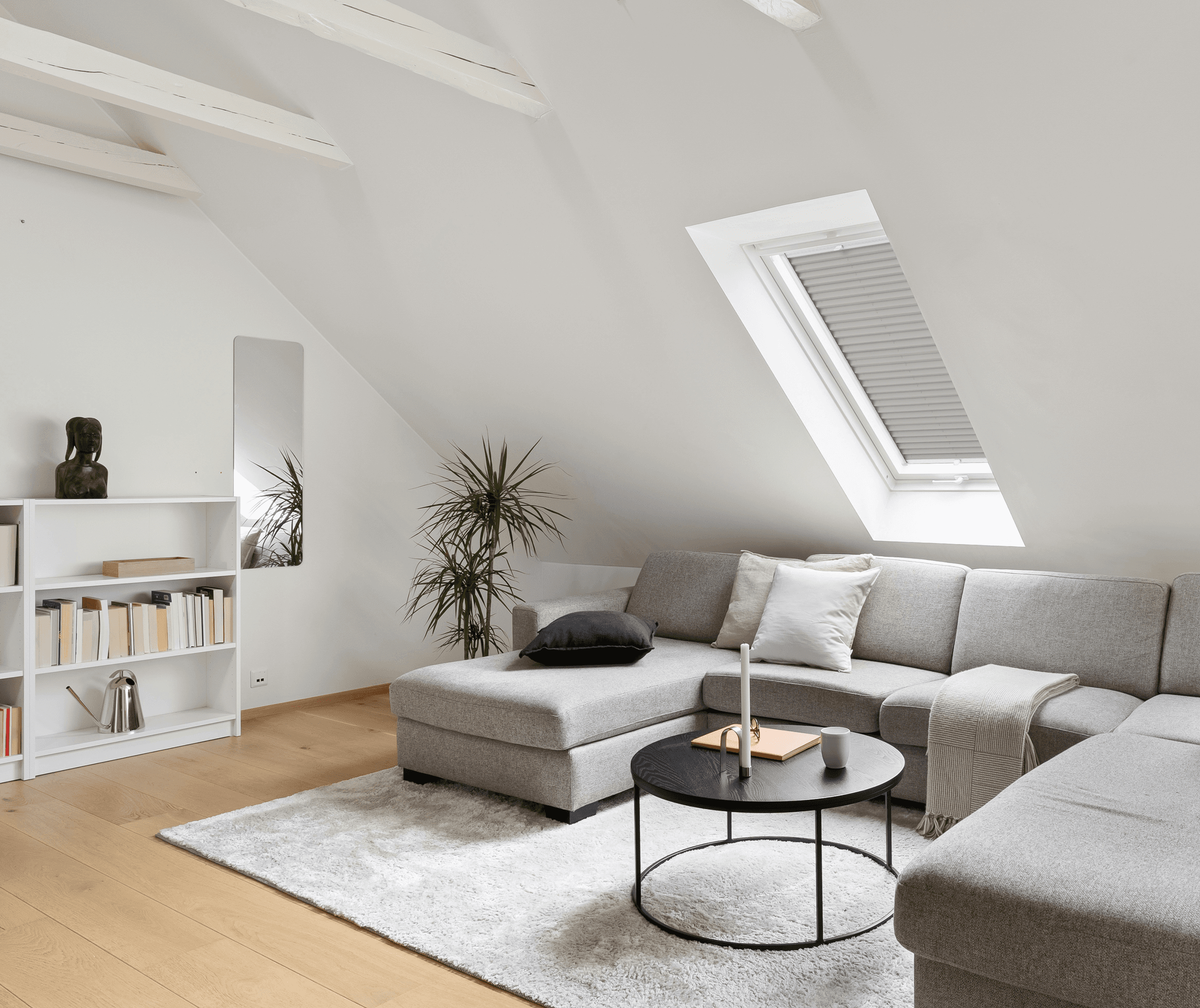
How to Create a Comfortable Loft? Practical Solutions for Roof Windows
Discover how the right roof window solutions can make your loft more comfortable. Learn how made-to-measure pleated blinds and roof window mosquito nets improve light control, privacy, and everyday living.
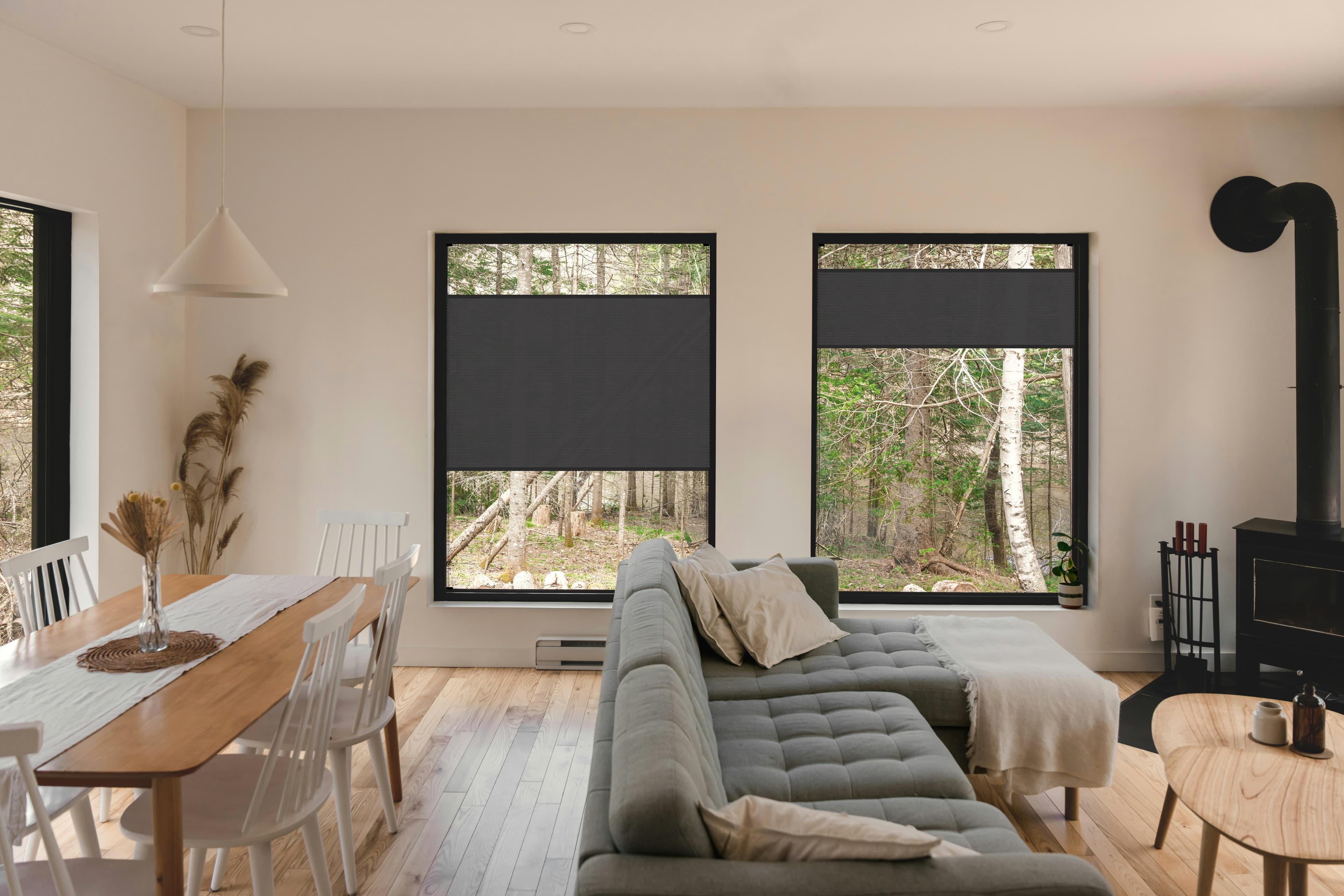
Pleated Blinds Guide: How to Choose the Right Fit
Pleated blinds are a versatile and modern window solution that combine light control, privacy, and clean design. Choosing the right option depends on the function of each room - blackout pleated blinds are ideal for bedrooms, while light filtering fabrics work best in living spaces and kitchens.