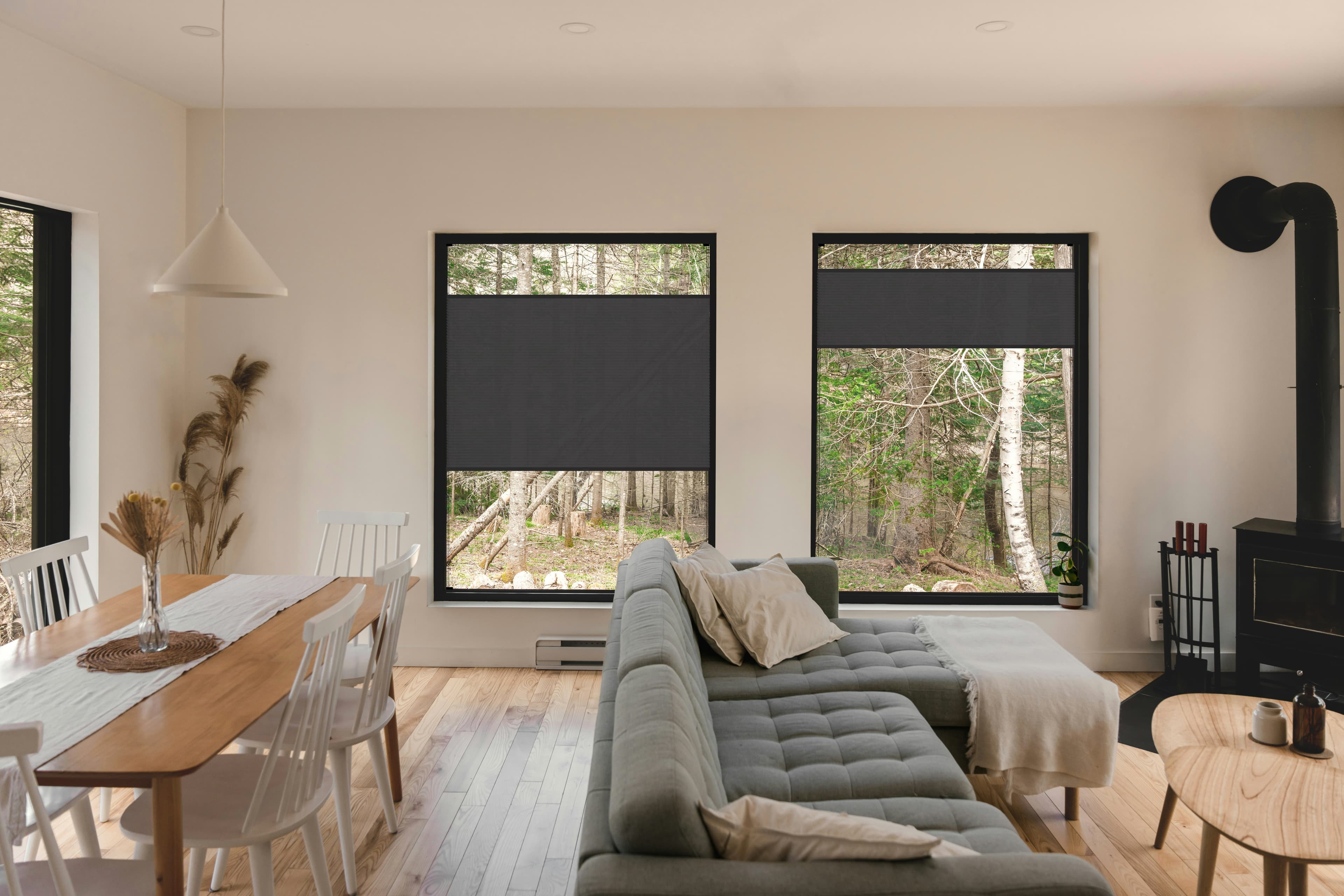
Pleated blinds may look simple. Accordion-folded fabric, two profiles and discreet mounting components create a window covering that can be adapted to different types of windows. But behind this simple design lies a system of components that need to work together.
Their construction determines how smoothly the blind moves, how well it stays in the selected position and how convenient it is to use every day.
Let's take a closer look at the construction of pleated blinds and discover the role of each component.
1. Aluminium Profiles – The Foundation of Pleated Blinds
Profiles are the horizontal components positioned along the upper and lower edges of the fabric. They form the foundation of the blind's construction, hold the fabric in place and allow its position to be adjusted.
Pleated blind systems use aluminium profiles, which combine low weight with good rigidity. This allows them to maintain a slim design while providing stable support for the fabric.
Profiles also influence the overall appearance of the blind. Their shape, width and colour determine how well the blind complements the window frame.
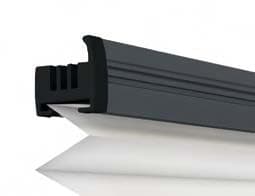
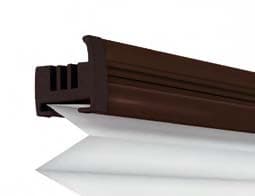
A good example is the COBEN system, which features a slim 16 mm profile. The profile also functions as a handle, eliminating the need for an additional protruding component to move the fabric.
When choosing pleated blinds, it's therefore worth considering not only the fabric colour but also the profile design and how the blind is operated.
2. Guide Cords – The Hidden Components That Provide Stability
One of the most important elements of pleated blind construction is the guide cords. They run through specially designed openings in the fabric and work together with the profiles and mounting components.
Their purpose is to keep the blind in the correct position and guide it as it moves.
In top-down bottom-up systems, properly tensioned cords allow the fabric to remain at the selected height. This means you can cover the middle or lower part of the window while leaving the rest uncovered.
Although the cords are barely visible, their correct tension is essential for the entire system to function properly.
Insufficient or uneven tension can affect the stability of the profiles and how smoothly the blind moves.
3. Pleated Fabric – More Than a Decorative Element
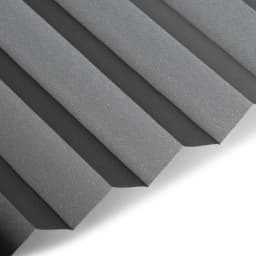
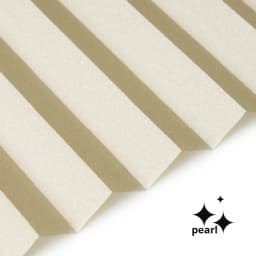
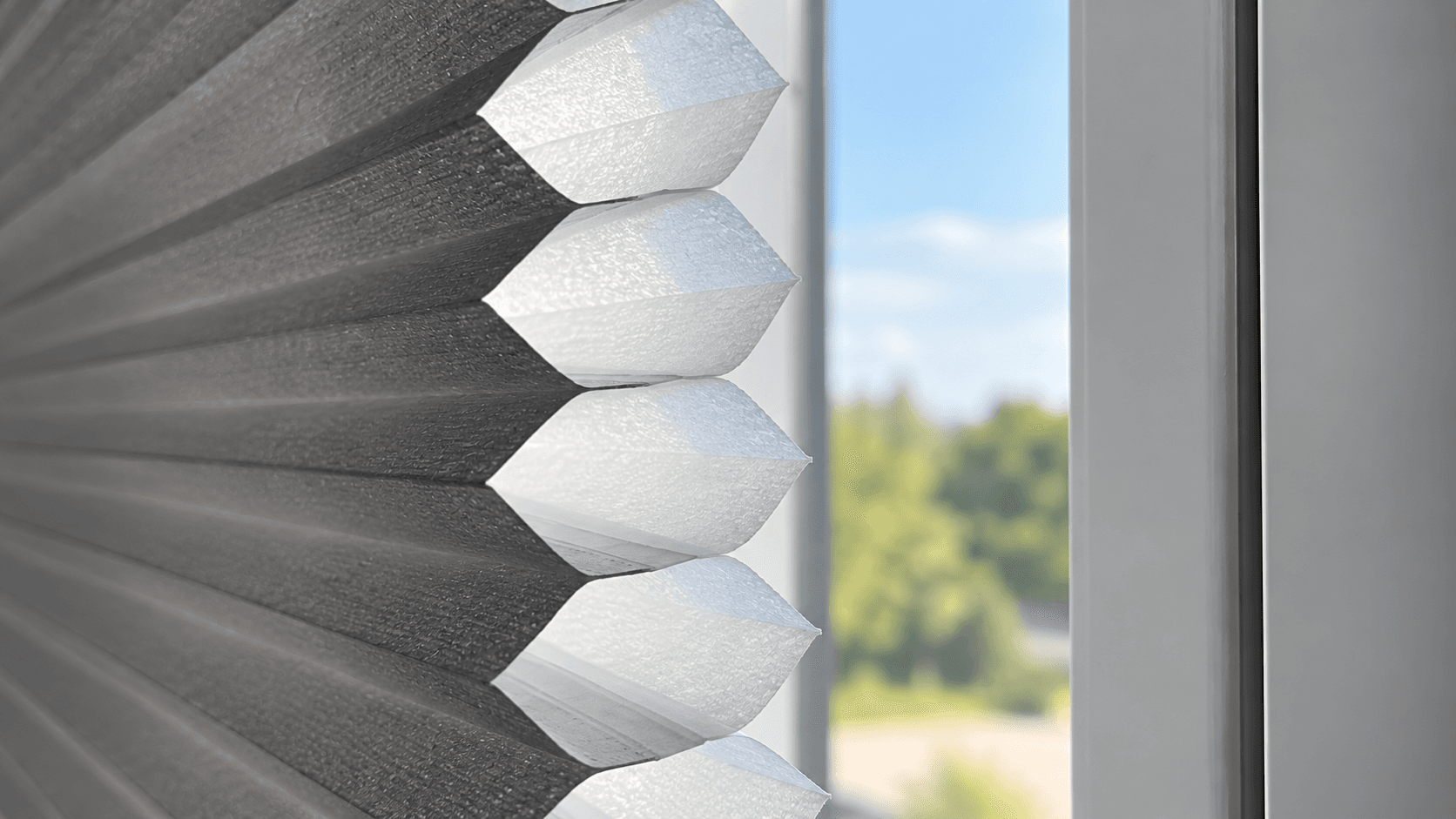
The characteristic accordion structure is the most recognisable feature of pleated blinds.
The fabric is permanently formed into regular folds, allowing it to expand and contract as the profiles move. When the blind is gathered, the fabric takes up relatively little space along the edge of the window.
However, not all pleated fabrics have the same construction.
Single-layer fabrics consist of one layer of material formed into pleats. They can differ in texture, thickness, colour and light transmission.
Honeycomb fabrics, on the other hand, feature a cellular structure resembling a honeycomb. The air pockets inside can help reduce heat transfer through the covered window. Depending on the fabric type, they can diffuse natural light or provide a high level of room darkening.
It's also worth remembering that the properties of pleated blinds depend not only on the fabric's construction but also on its finish. For example, reflective coatings can influence the amount of solar energy entering the room.
That's why choosing the right fabric affects both the appearance of the blind and the comfort of the room.