
How to Protect Your Home from Overheating in Summer
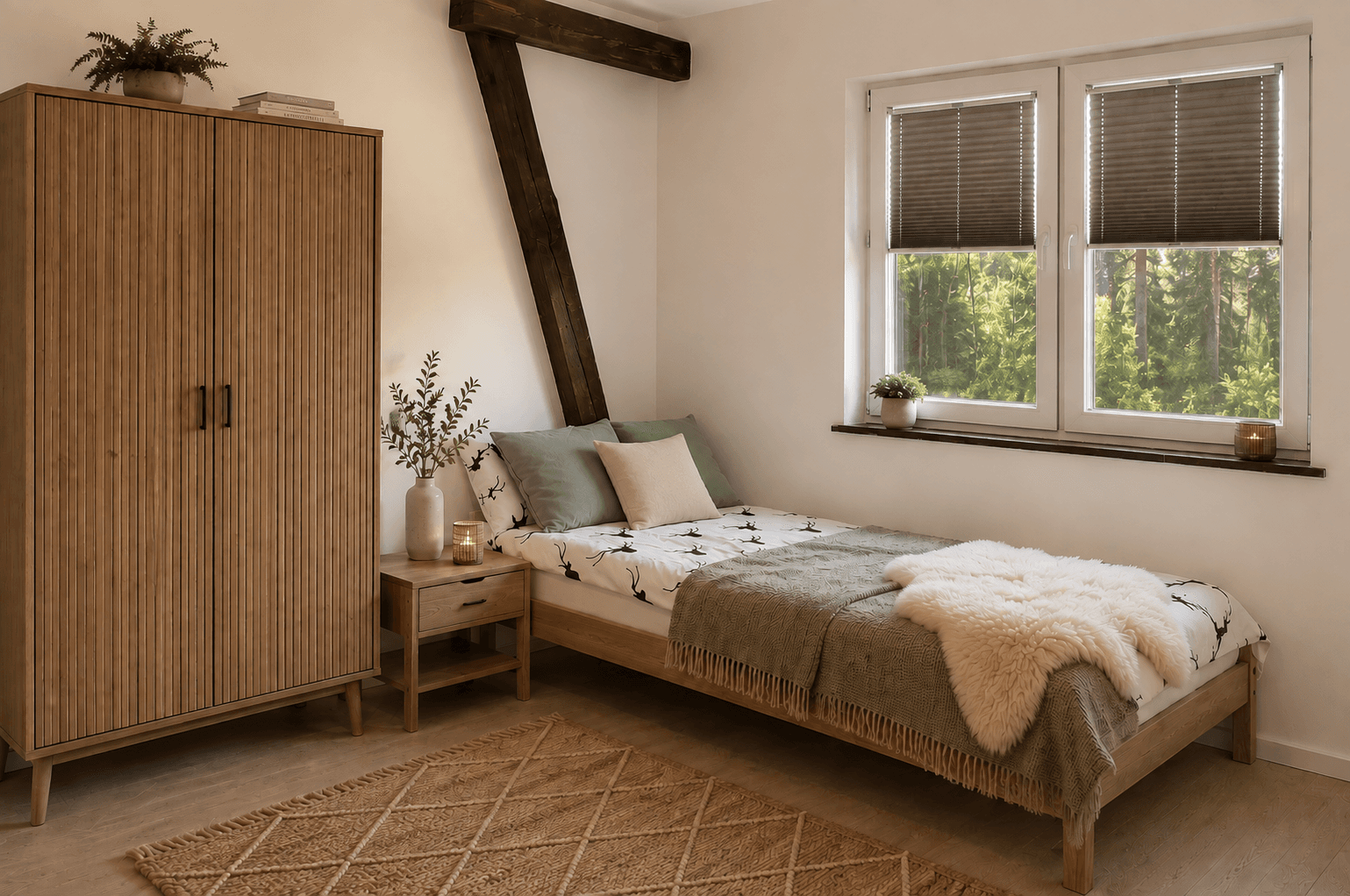
During summer, sunlight entering through windows can quickly raise the temperature inside your home. The problem is particularly noticeable in rooms with large glazed areas or windows facing south or west. Living rooms, bedrooms, and home offices can become uncomfortably warm during the day.
Air conditioning isn't the only way to improve indoor comfort. The right window coverings can help reduce the impact of intense sunlight while also giving you better control over natural light and privacy.
Why Do Rooms Heat Up So Quickly Through Windows?
Windows allow sunlight to enter the interior, bringing solar energy with it. Floors, furniture, and other surfaces absorb this energy and gradually release it as heat. The larger the glazed area and the longer it is exposed to direct sunlight, the more noticeable the effect becomes.
That's why modern homes with large windows require solutions that do more than simply control light. Choosing the right window covering can also help limit overheating and create a more comfortable indoor environment.
Cover Your Windows Before the Room Heats Up
On hot days, it's worth covering the most sun-exposed windows before the indoor temperature begins to rise significantly. This helps reduce the amount of intense sunlight entering the room.
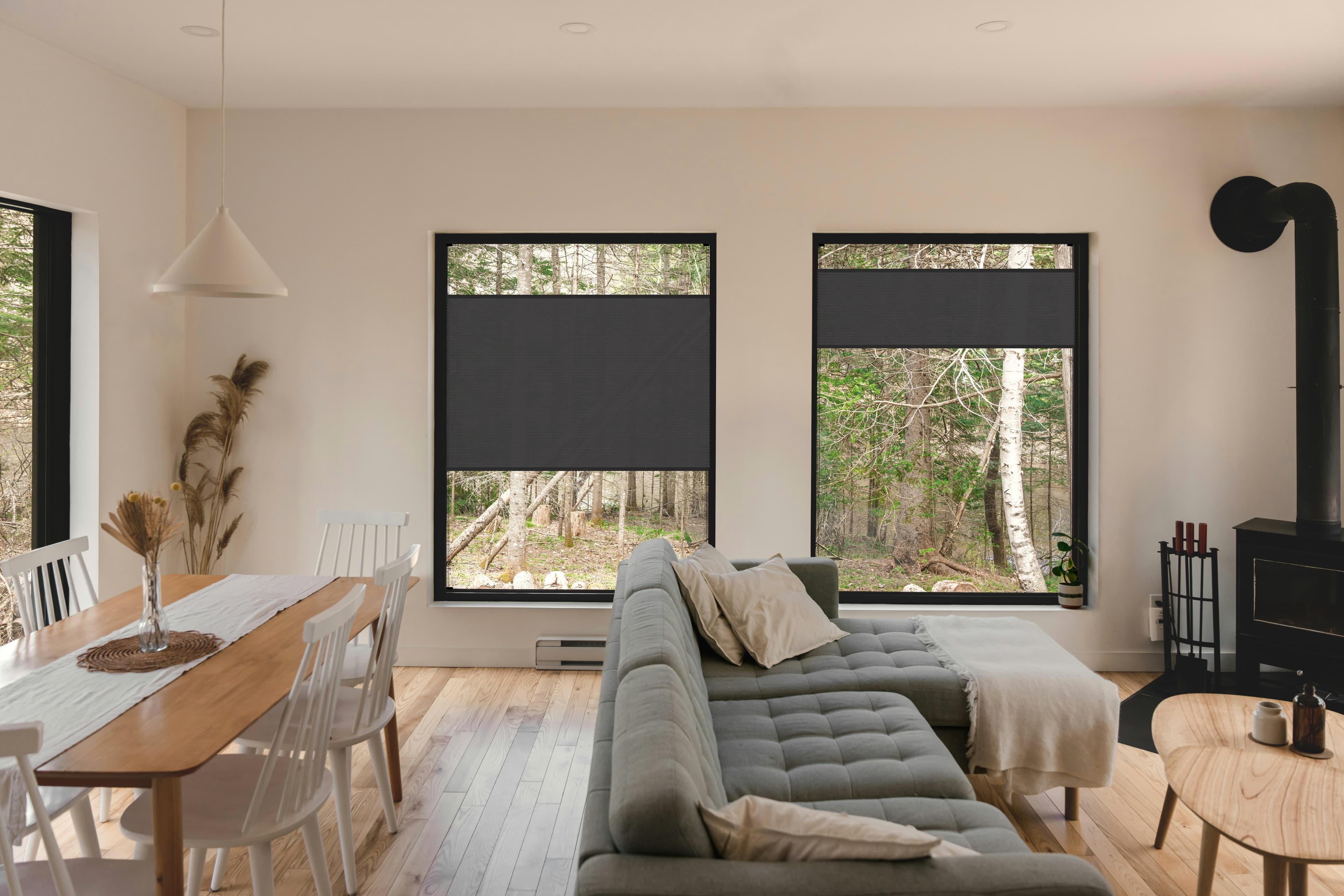
That doesn't mean you have to spend the entire day in a dark interior. Pleated blinds allow you to adjust the position of the covering according to the direction of the sun. You can reduce direct sunlight while still enjoying plenty of natural daylight.
Honeycomb – An Additional Insulating Layer at the Window
If you're looking not only to control sunlight but also to improve thermal insulation, Honeycomb pleated blinds are an excellent choice.
Their distinctive cellular structure creates air pockets between the layers of fabric. The air trapped inside forms an additional insulating layer between the window and the room.
During summer, this helps reduce heat transfer into the interior. In winter, the same principle works in reverse, helping to reduce heat loss through the windows.
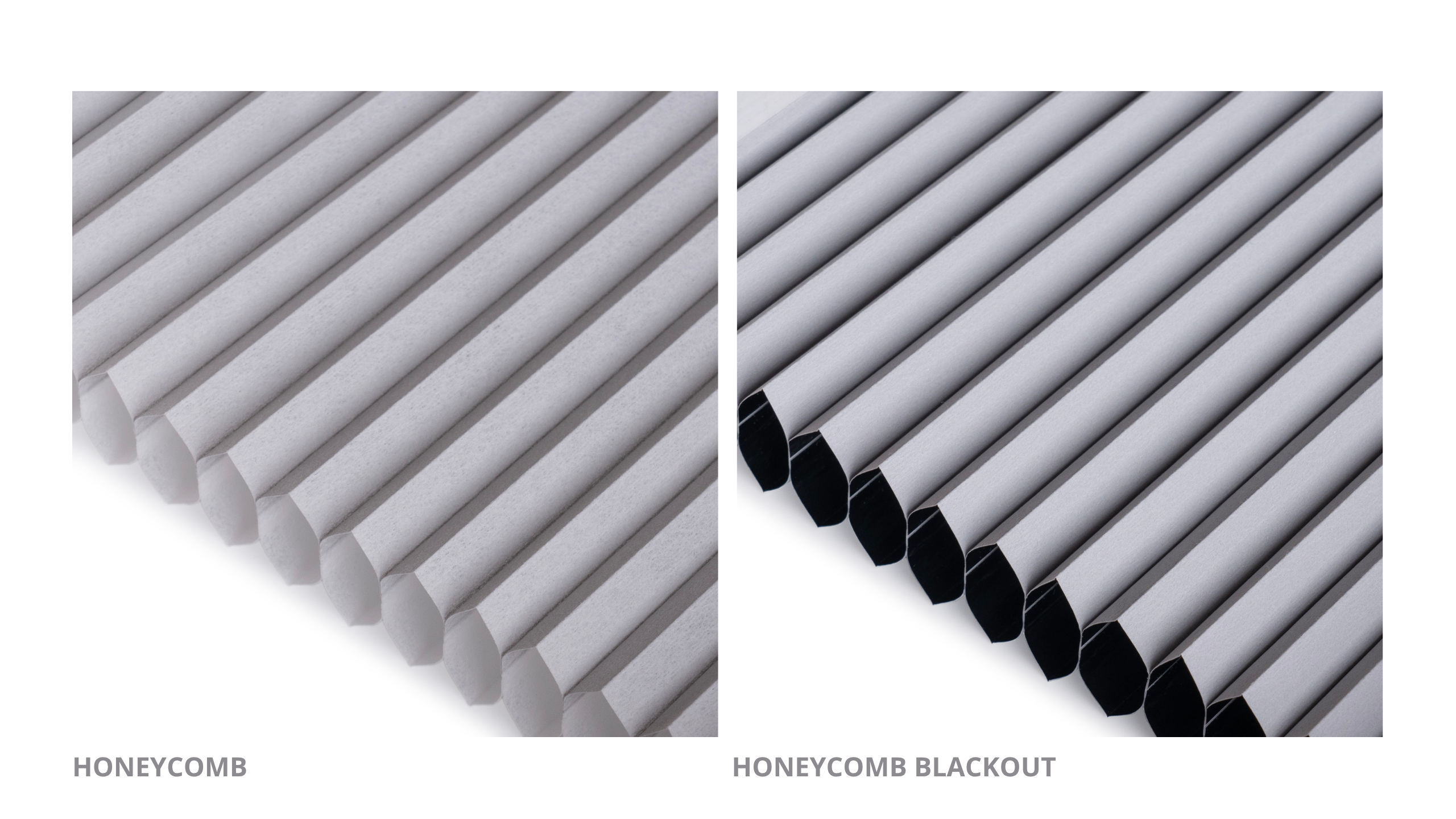
Honeycomb or Honeycomb Blackout?
The right choice depends mainly on how much natural light you want to keep in the room.
Honeycomb is ideal when you want to improve thermal comfort while maintaining a bright interior. The fabric gently diffuses daylight and reduces its intensity without making the room feel dark.
Honeycomb Blackout is better suited to rooms where effective darkening is a priority. A special blackout layer hidden between the fabric layers significantly reduces incoming light while providing the best thermal insulation performance within the Honeycomb range.
This makes Honeycomb Blackout particularly suitable for bedrooms, children's rooms, and spaces exposed to intense sunlight.
What About Large Glazed Areas?
Large panoramic windows and HST sliding doors require window coverings designed for much larger glass surfaces. In these applications, choosing the right fabric is only part of the solution. The construction and profile also need to provide the stability and ease of use required for large-format glazing.
For large windows, NordiBlinds recommends Coben 2.0 pleated blinds. The system features a specially adapted profile designed for wide windows, panoramic glazing, and HST sliding doors.
Importantly, choosing Coben doesn't mean giving up the benefits of Honeycomb fabrics. Coben 2.0 is available with both Honeycomb and Honeycomb Blackout fabrics, allowing you to tailor the solution not only to the dimensions of your window but also to your preferred level of sun protection, thermal insulation, and room darkening.
This means that even with large glazed areas, you can combine a system designed specifically for large windows with the thermal insulation properties of Honeycomb fabrics.
Make the Most of Cooler Hours
Window coverings work best when combined with a few simple everyday habits. During the hottest part of the day, it's usually better to keep windows closed when the outdoor temperature is higher than the temperature inside.
Ventilation is most effective in the evening, at night, or early in the morning when the air outside is cooler. This helps release some of the heat that has accumulated indoors during the day.
Comfort Throughout the Year
Well-chosen window coverings aren't useful only during summer. Pleated blinds provide control over daylight and privacy throughout the year, while the Honeycomb structure additionally supports window insulation during both hot and cold seasons.
If summer overheating is the main challenge in your home, Honeycomb and Honeycomb Blackout are particularly worth considering. For large glazed areas and HST sliding doors, Coben 2.0 provides a system specifically designed for larger dimensions and can also be combined with both Honeycomb fabric options.
The right window covering helps you make better use of natural daylight, reduce the impact of intense sunlight, and create a more comfortable home even during the hottest days of the year.
Tags
Related articles
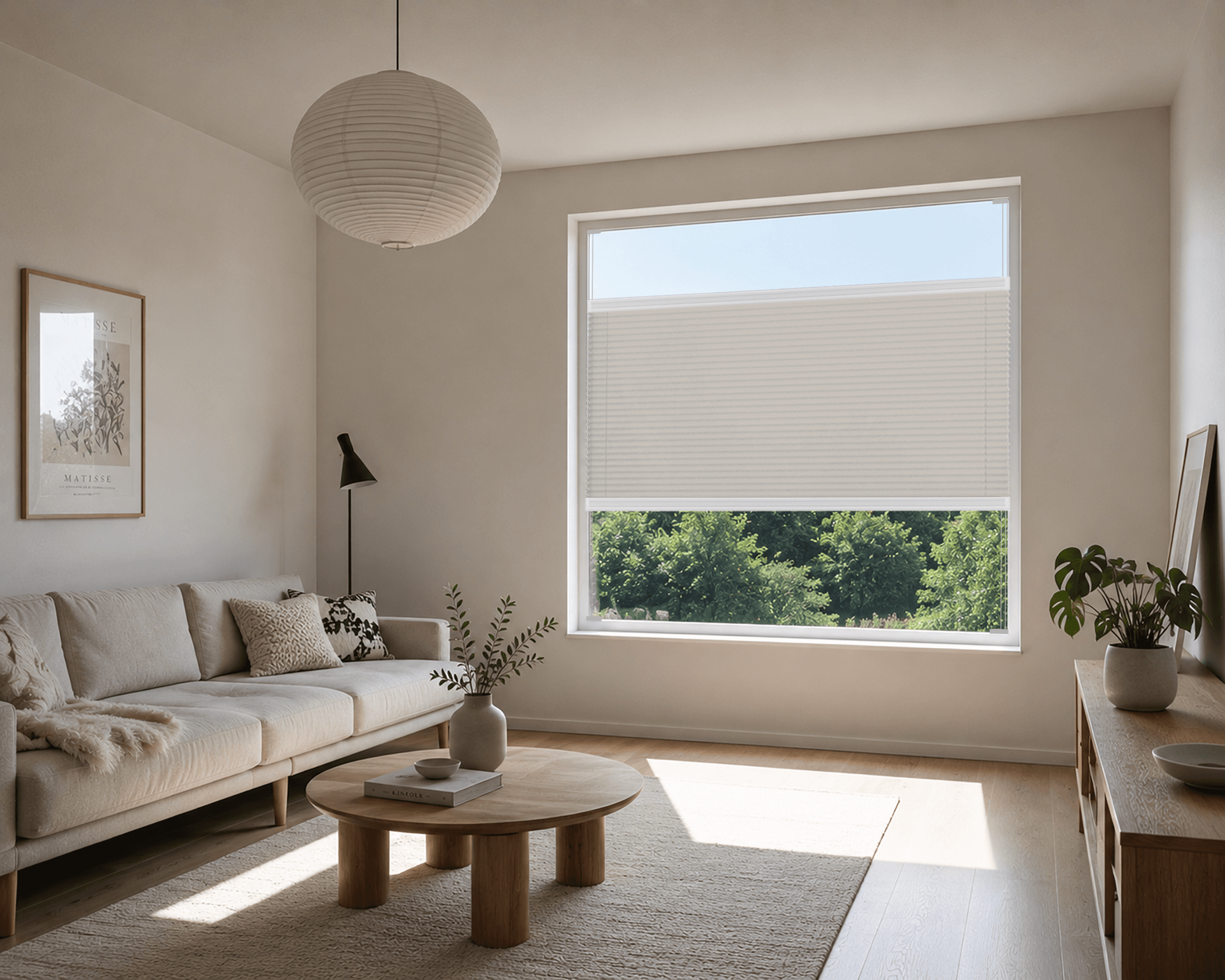
Coben Pleated Blinds – The Perfect Solution for Large Windows and HST Sliding Doors
Looking for window coverings for HST sliding doors or large glazed areas? Discover why Coben pleated blinds are designed specifically for panoramic windows and modern homes.
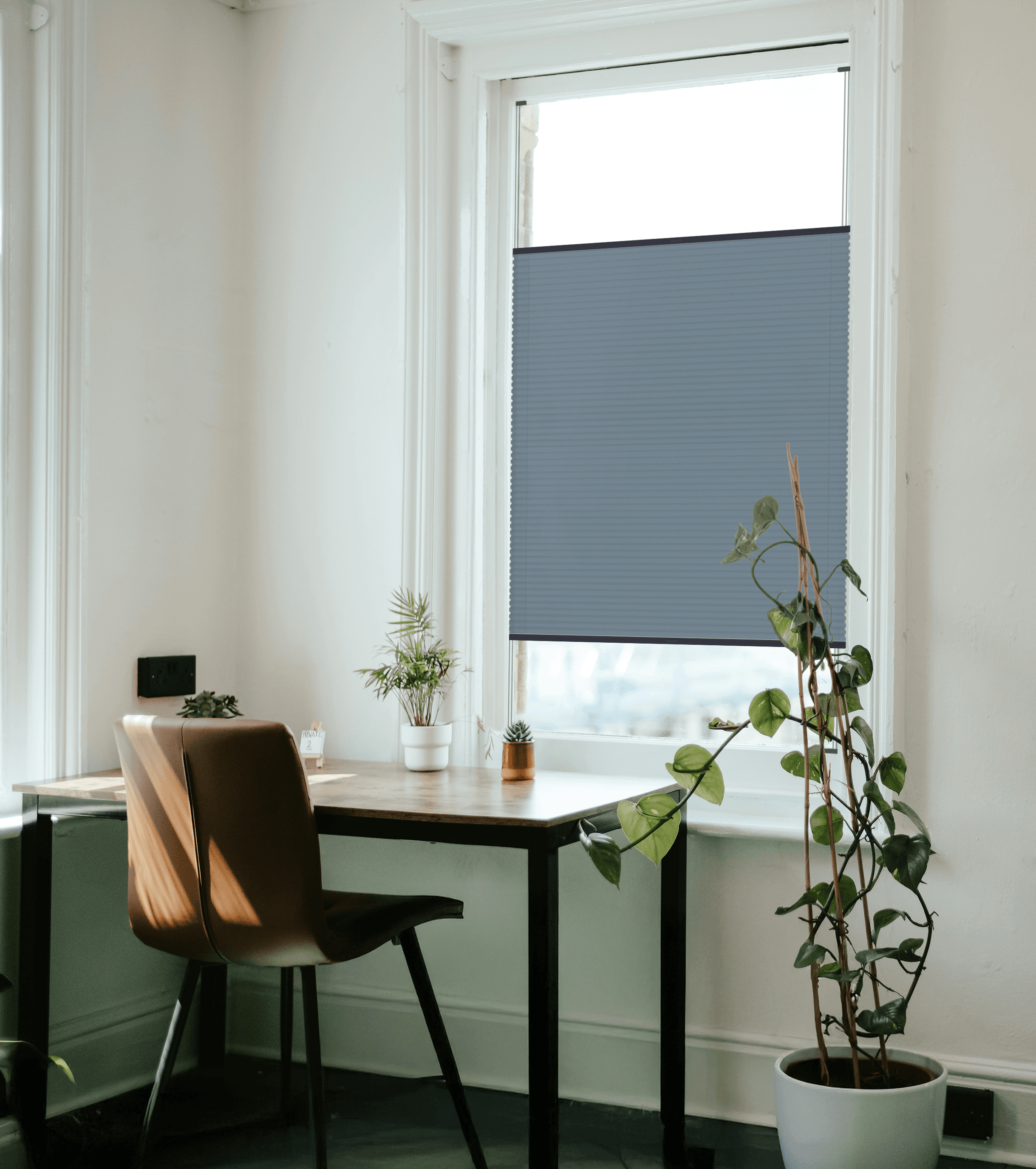
Honeycomb Pleated Blinds – A Smarter Way to Improve Comfort and Energy Efficiency
Discover how Honeycomb pleated blinds improve thermal insulation, reduce heat loss in winter, keep rooms cooler in summer, and help lower energy costs all year round.
Pleated Blinds Guide: How to Choose the Right Fit
Pleated blinds are a versatile and modern window solution that combine light control, privacy, and clean design. Choosing the right option depends on the function of each room - blackout pleated blinds are ideal for bedrooms, while light filtering fabrics work best in living spaces and kitchens.