
25 mm or 50 mm Wooden Blinds – Which Size Should You Choose?
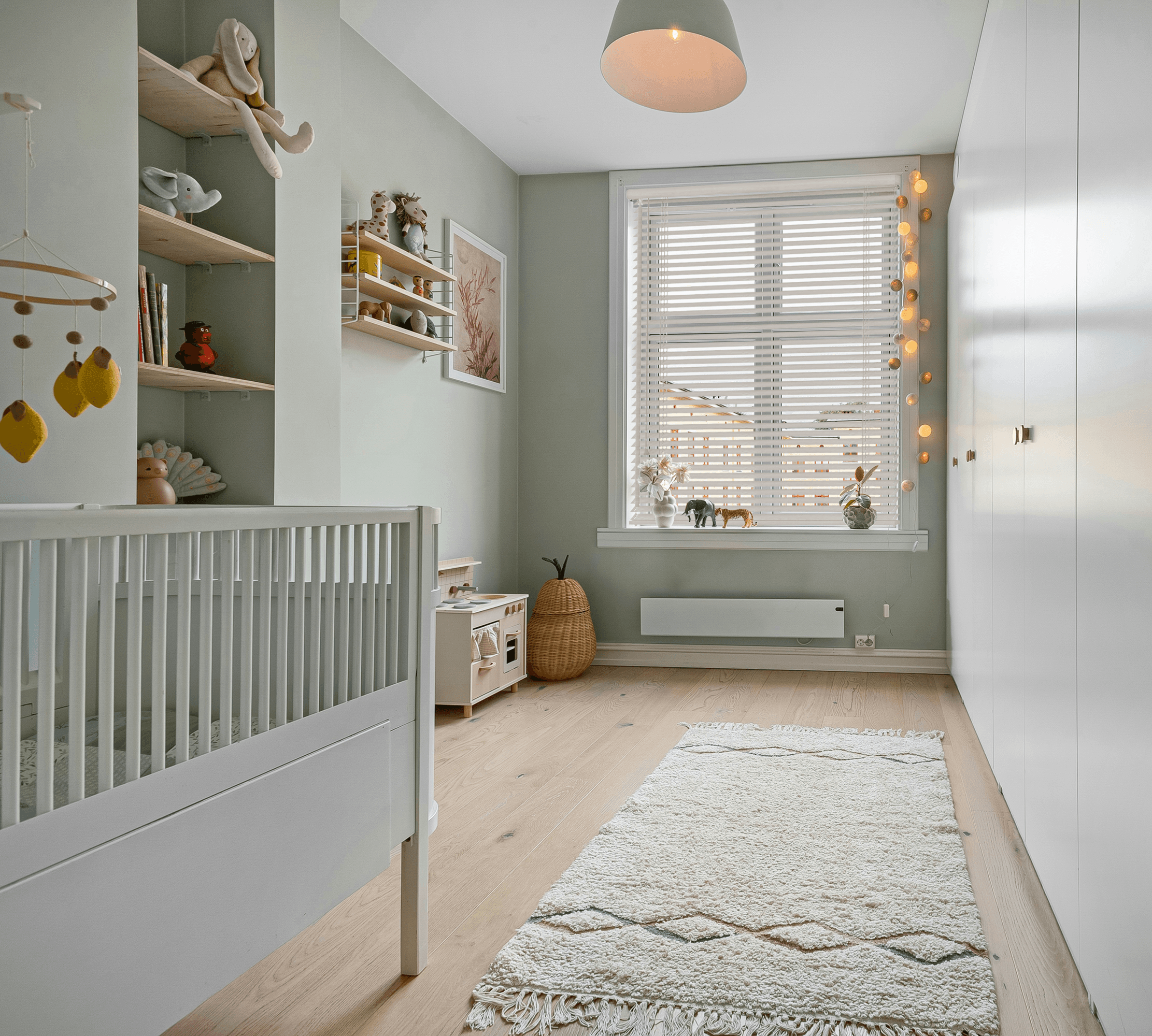
Choosing wooden blinds involves more than selecting the right wood finish or colour. One of the most important decisions is the width of the slats. The two most popular options are 25 mm and 50 mm, and while both offer the same functionality and precise light control, they create very different visual effects and influence the overall look of a room in different ways.
There is no single solution that works best for every home. The right choice depends primarily on the size of your windows, the proportions of the room, and the style you want to achieve.
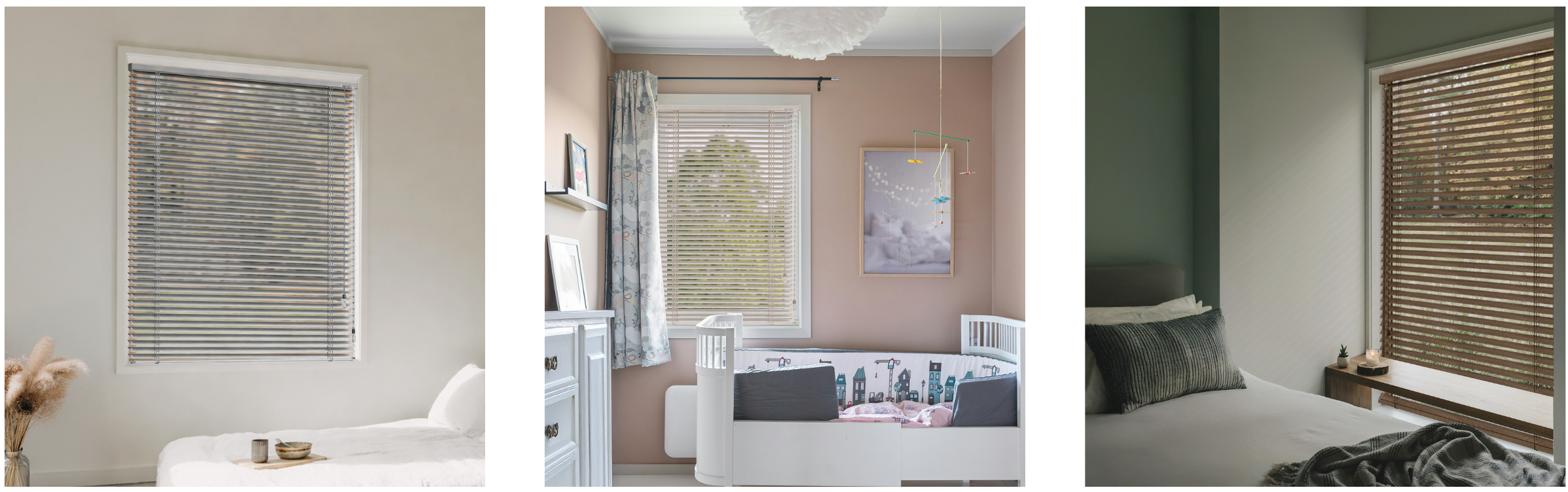
25 mm – A Light and Elegant Look
Wooden blinds with 25 mm slats have been a popular choice for many years in apartments and homes with standard-sized windows. Their slimmer profile creates a light, refined appearance that complements an interior without dominating it.
They are particularly well suited to bedrooms, kitchens, home offices, and smaller living spaces where maintaining a sense of openness is important. Their subtle design works beautifully in both classic and contemporary interiors, making the blinds a discreet yet stylish part of the overall décor.
When it comes to smaller windows, proportions matter. Narrower slats often create a more balanced and natural appearance than wider alternatives.
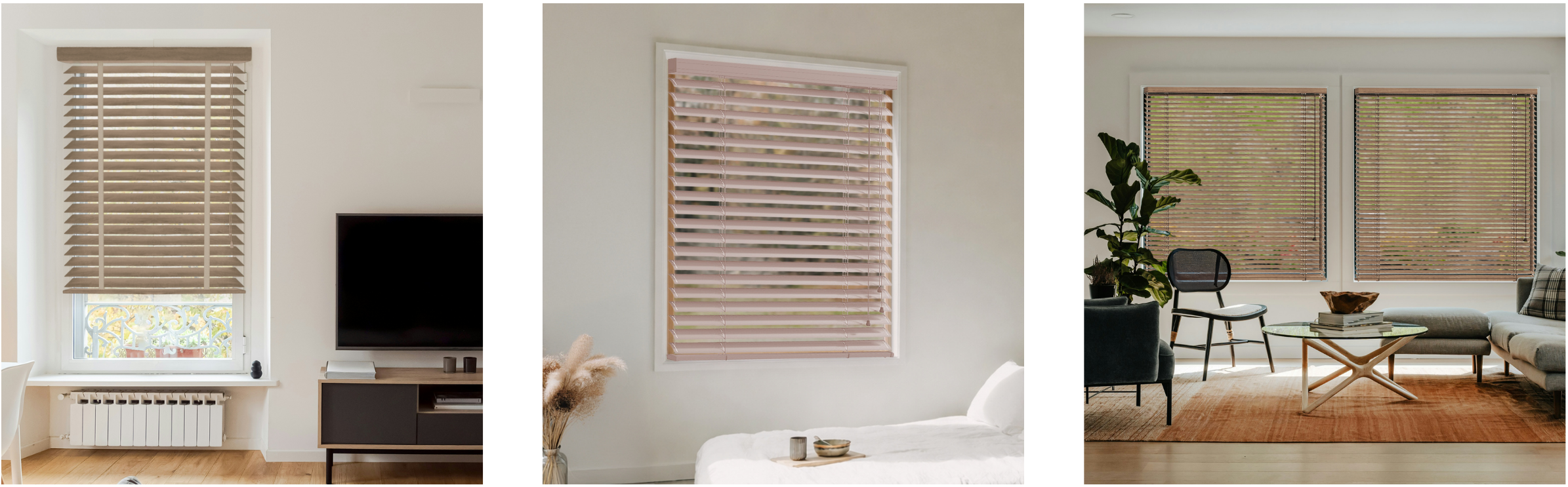
50 mm – A Bold Design Feature
Wider slats have become increasingly popular in modern interior design. Wooden blinds with 50 mm slats have a stronger architectural presence and make a much bolder visual statement. Rather than simply serving as window coverings, they become a key design feature within the room.
They look particularly impressive on large windows, floor-to-ceiling glazing, and spacious living areas. The wider slats complement the scale of expansive windows, creating a balanced and sophisticated appearance.
For this reason, 50 mm wooden blinds are frequently chosen for contemporary homes, loft apartments, and interiors inspired by industrial or modern classic design.
Does Slat Width Affect Light Control?
This is one of the questions customers ask most often. In practice, both 25 mm and 50 mm wooden blinds provide equally precise control over natural light and privacy. The operating mechanism is the same, and the main differences are visual rather than functional.
Wider slats may create a greater sense of openness when the blinds are fully raised, but in everyday use both options offer a very similar level of comfort and light control.
For this reason, your decision should be based primarily on aesthetics and the proportions of your windows rather than the assumption that one option blocks more light than the other.
How to Choose the Right Slat Width
There is no fixed rule that determines which slat size should be used for a particular window. Interior designers generally focus on the proportions of the space rather than specific measurements.
For standard-sized windows in apartments and traditional homes, 25 mm slats often provide the most balanced and elegant appearance. Their slimmer profile helps maintain a light and harmonious look throughout the room.
For large windows, floor-to-ceiling glazing, or patio doors, 50 mm slats are usually the preferred choice. Their larger scale complements expansive glazing and enhances the architectural character of modern interiors.
Of course, these are not strict rules. Many designers deliberately use wider slats in smaller spaces to create contrast and give the room a more distinctive personality.
Which Option Is Right for You?
If you prefer a subtle, classic appearance and want your blinds to blend naturally with the rest of your interior, 25 mm wooden blinds are an excellent choice. They work particularly well in apartments, smaller rooms, and homes where understated elegance is the goal.
If you're designing a contemporary home with large windows or want your window treatments to become a standout feature, 50 mm wooden blinds are worth considering. Their wider slats create a stronger visual impact and beautifully complement modern architecture.
Whichever size you choose, both options offer the timeless beauty of natural wood, high-quality craftsmanship, and long-lasting durability. They are designed to remain stylish for years to come, even as your interior evolves.
Final Thoughts
Choosing between 25 mm and 50 mm wooden blinds is not about deciding which option is better—it is about finding the one that best suits your home. Narrower slats create a lighter, more understated appearance, while wider slats make a bolder architectural statement and add a premium feel to larger spaces.
If you're still unsure, consider your windows as part of the overall interior rather than as individual elements. Well-chosen wooden blinds do more than control light—they enhance the character of your home and become an integral part of its design.
Tags
Related articles
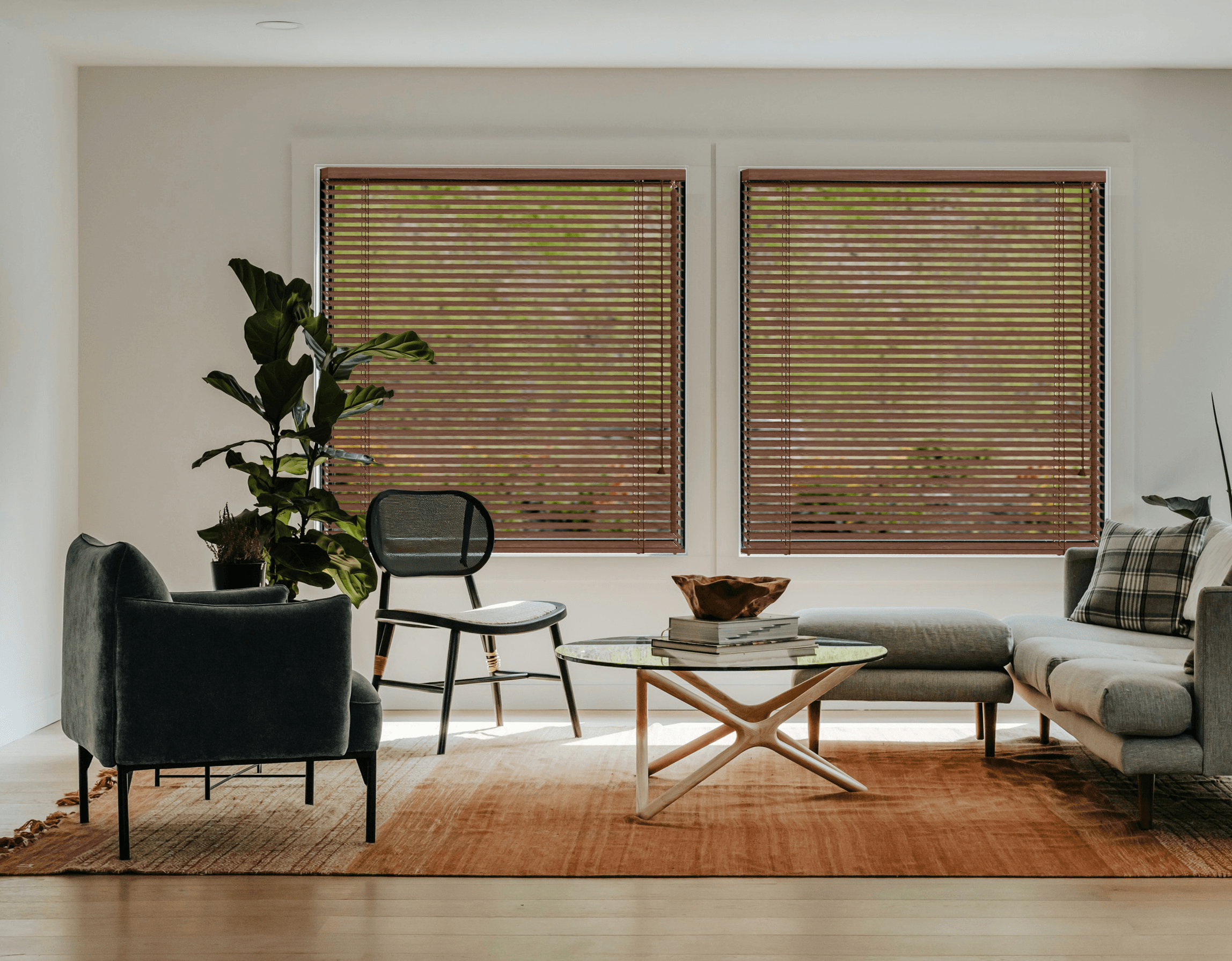
Why Choose Wooden Blinds? Discover Their Biggest Advantages
Discover the benefits of wooden blinds. Learn why natural wood remains one of the most popular choices for stylish and timeless window coverings.
Which Interiors Suit Wooden Blinds Best?
Wondering whether wooden blinds are the right choice for your home? Discover which interior styles they complement best and how to match them to your living space.