
Which Interiors Suit Wooden Blinds Best?
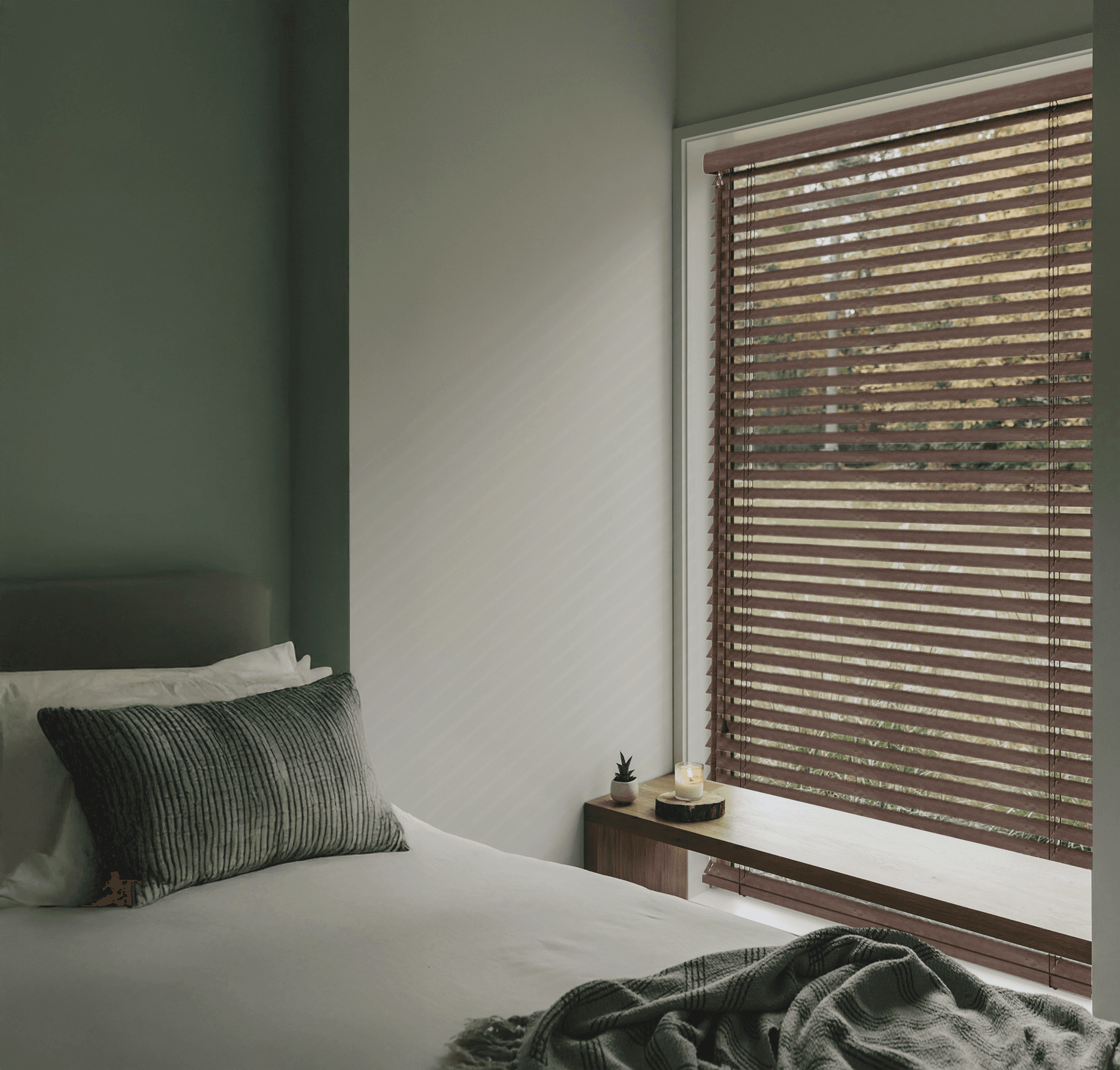
Choosing window coverings is no longer just about blocking sunlight or ensuring privacy. Today, they are an integral part of interior design, shaping the atmosphere and character of a room. This is especially true for wooden blinds. Thanks to their natural material and timeless appearance, they enhance an interior without overpowering it, creating a balanced and elegant living space.
One of the reasons wood has remained a favourite in interior design for decades is its versatility. Whether you're furnishing a modern apartment, a cosy family home, or a classic townhouse, well-chosen wooden blinds will always feel like a natural and stylish addition.
Natural Wood Complements Almost Every Interior Style
One of the greatest strengths of wood is its timeless appeal. Unlike many decorative trends that come and go, wood blends effortlessly with a wide range of materials and design styles. It pairs beautifully with hardwood flooring, natural stone, exposed concrete, glass, and textured fabrics, creating interiors that feel warm and cohesive.
This versatility means that wooden blinds are not limited to traditional homes. They look just as impressive in contemporary spaces, where they often soften minimalist interiors and bring warmth to clean architectural lines.
Perhaps most importantly, wood ages gracefully. Even if you decide to refresh your décor in a few years by changing your furniture, wall colours, or accessories, wooden blinds will continue to complement your home without looking outdated.
Scandinavian and Japandi Interiors – A Natural Match
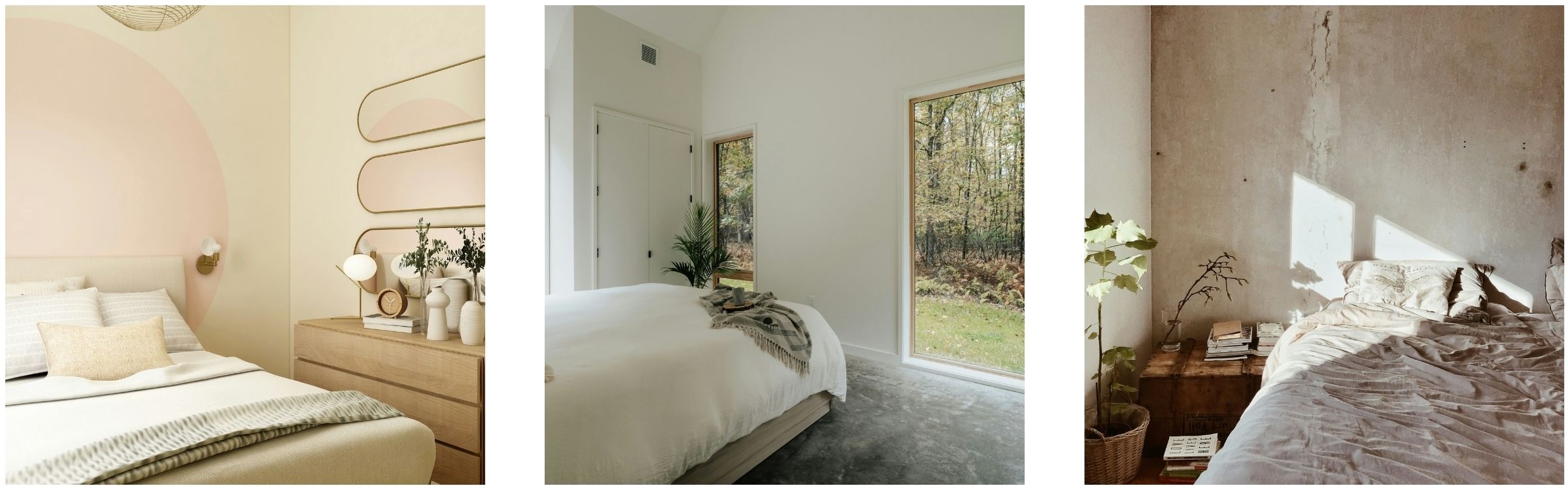
If there are two interior styles where wooden blinds feel completely at home, they are Scandinavian and Japandi. Both embrace simplicity, natural materials, and a calm colour palette. White walls, light timber, linen, cotton, and understated accessories create interiors that are peaceful and inviting.
Wooden blinds fit seamlessly into this aesthetic. Rather than drawing attention to themselves, they contribute to the overall harmony of the room, reinforcing its natural and minimalist character.
Lighter wood finishes are particularly popular in these interiors, as they brighten the space while maintaining a soft and welcoming atmosphere.
Modern Homes Benefit from Natural Warmth
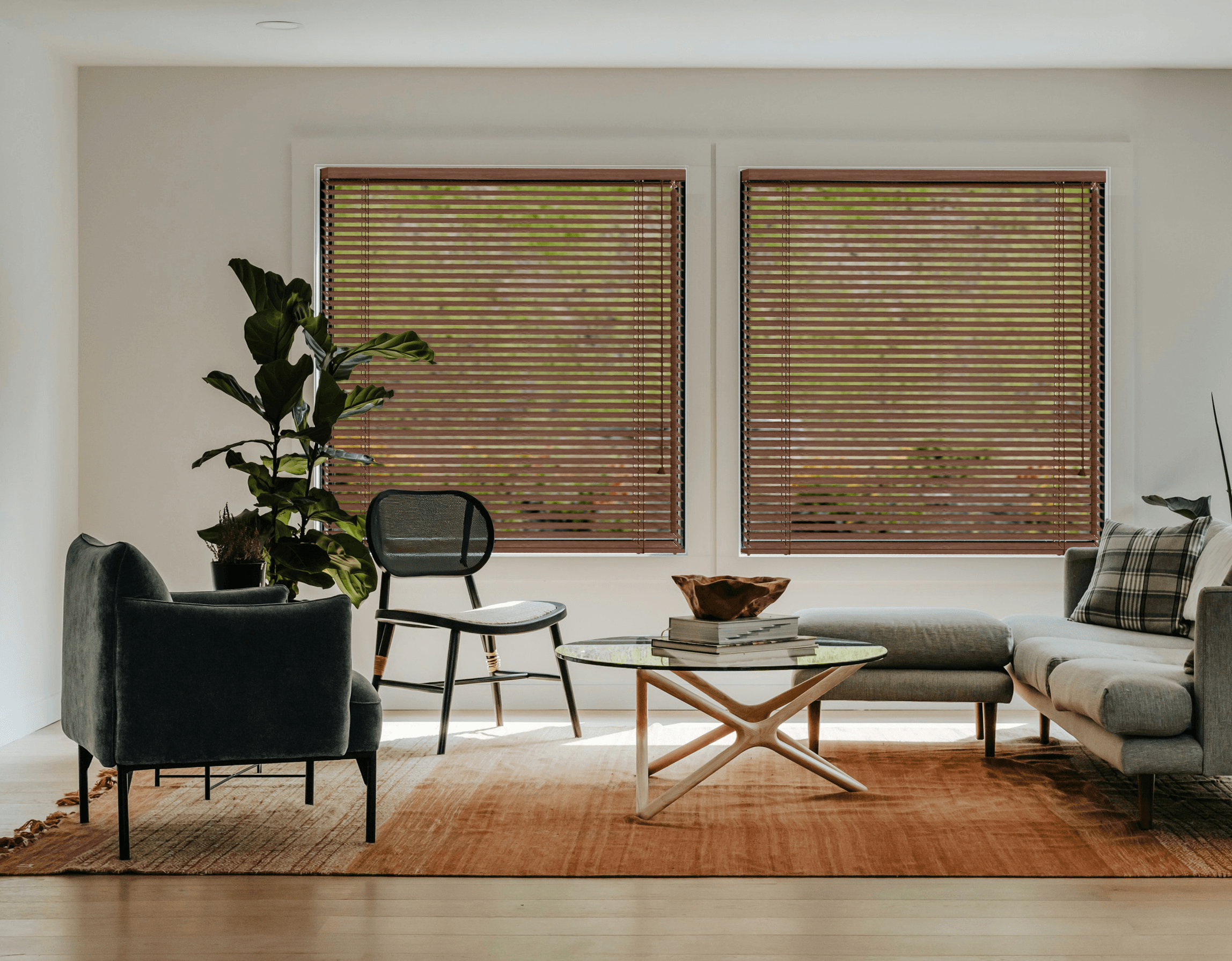
Although contemporary architecture is often associated with large glazed areas, concrete, steel, and black accents, wood plays an equally important role. It introduces warmth and texture, balancing the cooler appearance of modern materials and making the space feel more comfortable and inviting.
In living rooms with expansive windows, 50 mm wooden blinds create a particularly striking effect. Their wider slats emphasise the proportions of large windows and become an architectural feature in their own right. In smaller apartments or rooms with standard-sized windows, 25 mm slats often provide a lighter, more subtle appearance while maintaining the same elegant finish.
If you're unsure which option is best for your home, be sure to read our guide: 25 mm or 50 mm Wooden Blinds – Which Size Should You Choose?
Classic Interiors Gain Even More Elegance
Wood has always been a defining feature of classic interiors. It complements panelled furniture, decorative mouldings, parquet flooring, and natural stone surfaces with ease. Wooden blinds continue this visual harmony, helping create interiors that feel refined and timeless.
It is worth noting that the wood used for your blinds does not have to match your flooring or furniture perfectly. In fact, many interior designers intentionally combine different wood tones to create richer and more interesting spaces. Rather than aiming for an exact colour match, it is better to focus on maintaining a warm and harmonious overall palette.
Living Room, Bedroom or Home Office?
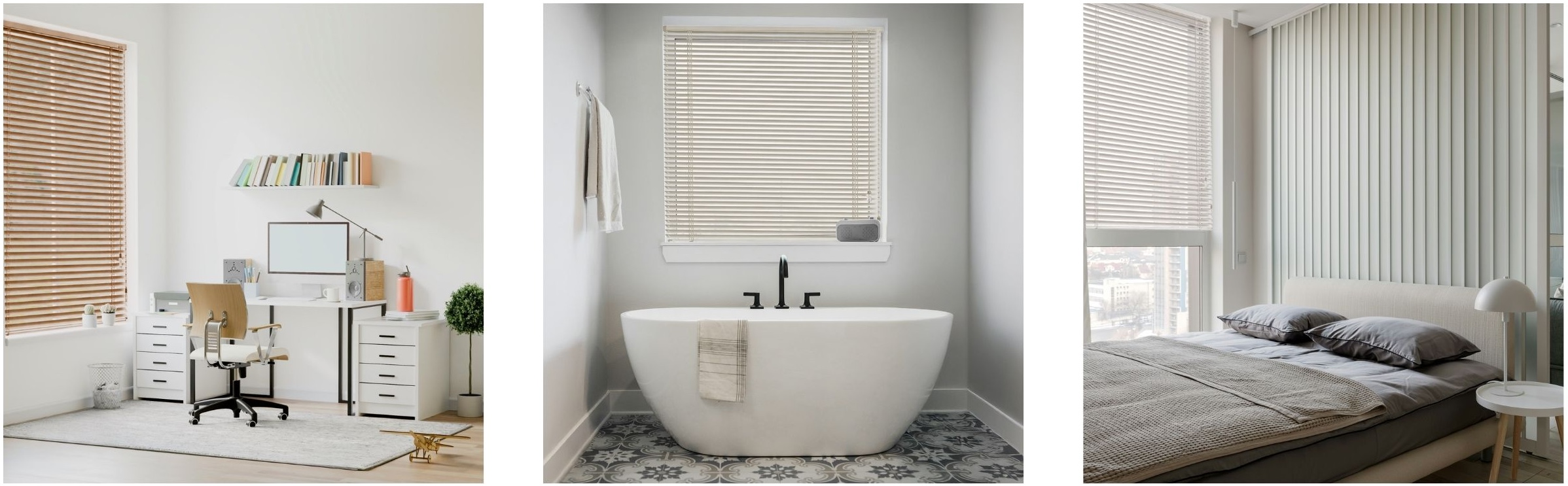
Wooden blinds are suitable for almost every room in the home. In the living room, they often become one of the defining design features, particularly when paired with large windows or sliding doors. In the bedroom, they create a warm, relaxing atmosphere while allowing you to control the amount of natural light throughout the day. In a home office, they provide an elegant backdrop for a productive workspace and contribute to a calm, professional environment.
As wood is a natural material, it is worth remembering that it responds to higher levels of humidity. For rooms exposed to frequent moisture, such as bathrooms, aluminium blinds may be a more suitable option due to their greater resistance to humid conditions.
Final Thoughts
One of the greatest advantages of wooden blinds is their remarkable versatility. They look equally at home in Scandinavian, Japandi, contemporary, and classic interiors, adapting effortlessly to changing trends and personal styles. Rather than dominating a room, they enhance it with natural warmth, elegance, and timeless character.
Once you've decided that wooden blinds are the right choice for your home, the next step is selecting the ideal slat size. In our next guide, we'll compare 25 mm and 50 mm wooden blinds, helping you choose the option that best suits your windows and your interior.
Tags
Related articles
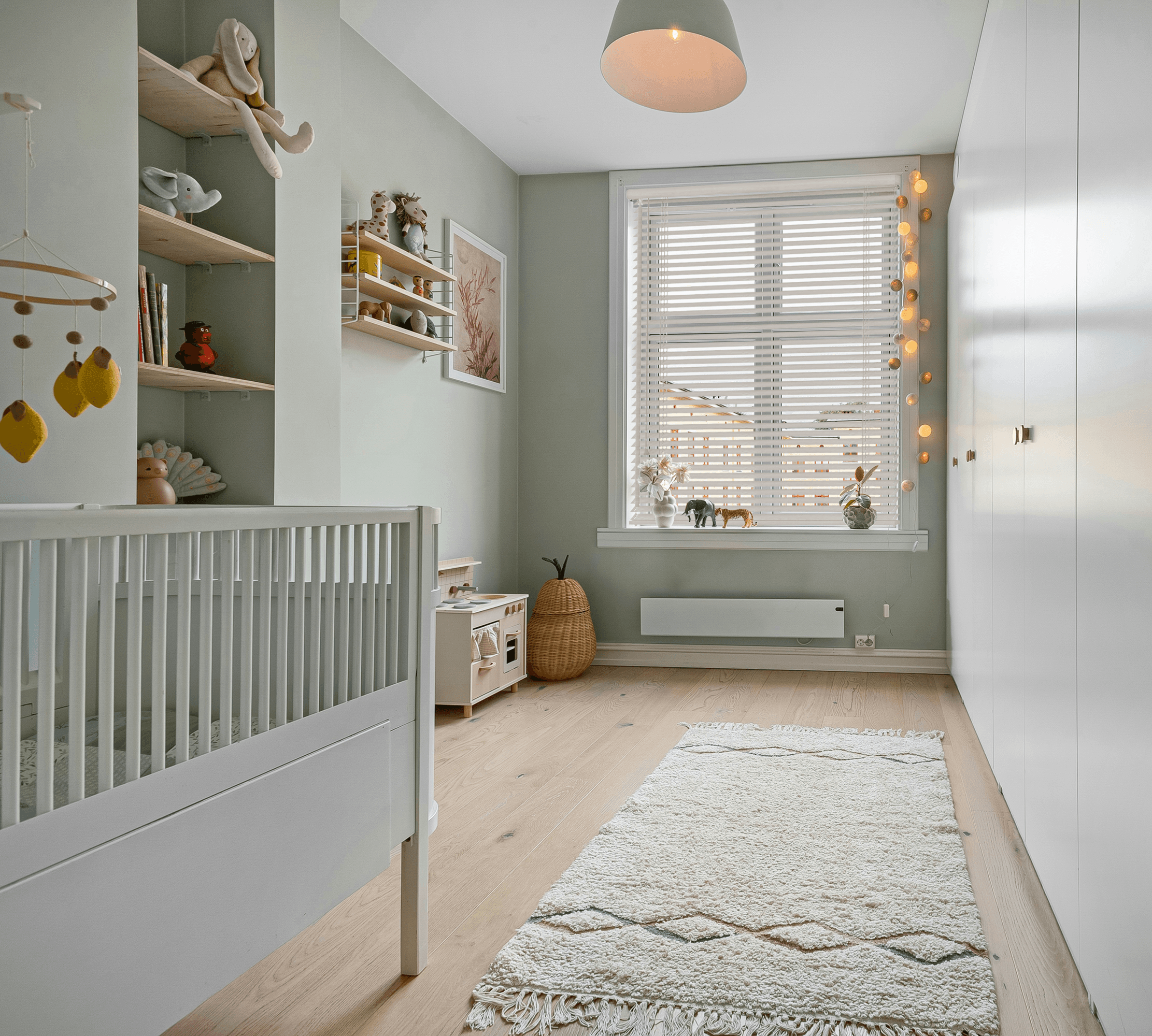
25 mm or 50 mm Wooden Blinds – Which Size Should You Choose?
Not sure whether to choose 25 mm or 50 mm wooden blinds? Discover the key differences between the two slat sizes and find out which option is best suited to your windows and interior.
Why Choose Wooden Blinds? Discover Their Biggest Advantages
Discover the benefits of wooden blinds. Learn why natural wood remains one of the most popular choices for stylish and timeless window coverings.