
How to Refresh Your Home Without Renovating – 8 Ideas for 2027
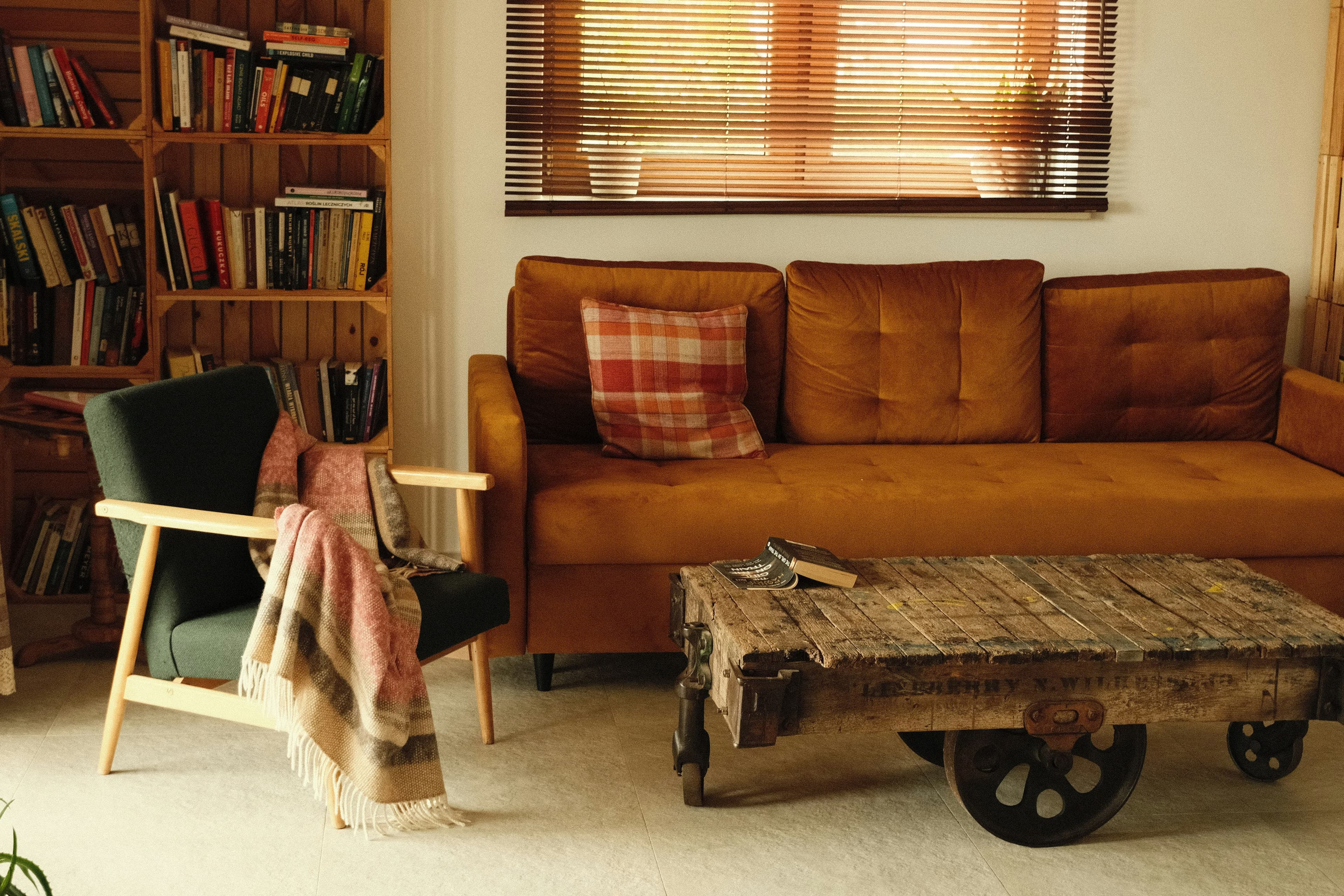
Sometimes the problem isn't how our home looks, but the fact that we've been looking at it in exactly the same way for years. The sofa stands against the same wall, the windowsill gradually turns into an extra shelf, and every evening we automatically switch on the same lamp. Everything is in its place, yet the interior starts to feel a little tired.
Renovation is often the first thing that comes to mind. New furniture, freshly painted walls, perhaps even a new floor. But refreshing your home without renovating can begin with much simpler decisions.
Looking ahead to 2027, interior design is placing greater emphasis on personal spaces, flexibility and everyday comfort. A home doesn't have to look like a perfectly styled catalogue. Above all, it should work well and evolve with the people who live in it.
So how can you see a familiar space from a fresh perspective?
Start by Making Room for Change
Before you begin looking for new accessories, take a closer look at what's already in the room. This isn't about embracing extreme minimalism or getting rid of things you love. Sometimes clearing just one surface is enough to make the entire space feel different.
A sideboard that has gradually collected decorations over the years can regain its character when you leave only a lamp, a few books and a favourite object on top. The same goes for the windowsill. Keeping it clear not only creates a more organised space around the window but also allows you to make better use of natural light.
Try temporarily removing some of your decorations, then decide which ones you really want to display. You might suddenly notice the beauty of a piece of furniture, a material or a detail that had previously been lost among other objects.
A successful home makeover isn't always about adding something new. Sometimes it's simply about giving your space room to breathe.
Rearrange Your Furniture and Rediscover the Room
We become so accustomed to the layout of our homes that we rarely stop to consider whether it still works for us. Yet moving just a few pieces of furniture can completely change how we use a space.
A sofa doesn't always have to stand against a wall. In a larger living room, it can gently separate the seating area from the dining space. An armchair that has been sitting in a forgotten corner might find a better place closer to the window. Add a small side table, and you have a comfortable spot for reading or enjoying your morning coffee.
You don't need to rearrange the entire room at once. Start with one piece of furniture and see how it changes the proportions of the space, the flow of natural light and the ease of moving around.
It's also a good opportunity to consider whether every piece of furniture is still necessary. Sometimes removing one small item makes more of a difference than buying another.
See Your Windows as Part of the Interior
When refreshing a home, we often focus on furniture and decorations while overlooking the windows. Yet they have an enormous influence on the atmosphere of a room.
Try clearing the windowsill and taking a moment to observe how daylight enters the space. Perhaps heavy curtains are unnecessarily covering part of the glazing? Or maybe your current window coverings make it difficult to enjoy natural light throughout the day?
Changing your window treatments can be one of the most noticeable parts of a home makeover, particularly in a smaller apartment.
Pleated blinds allow you to control how much of the glass is covered, providing privacy without completely blocking daylight. Because the fabric can be positioned at different heights, you can cover the lower part of the window while leaving the upper section open.
In the bedroom, Honeycomb Blackout pleated blinds are worth considering, as they help reduce the amount of light entering the room. In the living room, wooden or bamboo blinds can become a distinctive design feature, while their adjustable slats allow you to change the direction of incoming light.
It's also worth remembering that selected pleated blind systems can be installed without drilling. This makes them a particularly practical option when you want a quick change without modifying the window frame.
Give That Forgotten Corner a New Purpose
Almost every home has a space that doesn't have a clear purpose. An empty part of the living room, an area beside a window or a small corner of the bedroom that gradually fills up with random objects.
Instead of simply decorating it, think about what it could become.
A comfortable armchair, a small lamp and a side table are enough to create a reading nook. Alternatively, it could become a place for morning coffee, listening to music or enjoying a quiet moment without your phone.
These small, personal spaces reflect the idea of Ritual Living, one of the directions shaping interior design in 2027. It's about creating a home around everyday habits and the moments that bring us pleasure.
You don't need a separate room or a large amount of space. What matters more is creating somewhere you'll genuinely want to spend time.
Give the Things You Already Own a Second Life
Before buying another decorative accessory, take a look inside your cupboards, boxes and shelves. You may find things you love but haven't displayed for a long time.
A framed print leaning against a wall rather than hanging above it, a few books arranged on a coffee table or ceramics brought home from a trip can create an entirely new composition.
You don't have to match everything to one particular style, either. An older armchair can look beautiful next to a contemporary lamp, while an inherited wooden side table may work surprisingly well beside a modern sofa.
This approach connects with Collected Interiors, a trend in which a home isn't created during a single shopping trip. Instead, it evolves gradually, with objects telling the story of the people who live there.
Experiment with where you place things. Sometimes an object that never seemed quite right in the living room turns out to be the perfect addition to the bedroom.
Discover How Much Evening Lighting Can Change
The same room can look completely different in the morning and after dark. Much of that comes down to lighting.
If you usually rely on a single ceiling light in the evening, try switching it off and using several smaller light sources instead. A lamp on the sideboard, a floor lamp beside an armchair and subtle shelf lighting can create a more inviting atmosphere without buying any new furniture.
The colour temperature of the light also matters. Warmer lighting generally works better for relaxation, while working or reading calls for appropriately chosen, functional lighting.
As evening falls, the role of windows changes too. When the lights are on indoors and it's dark outside, privacy becomes more important. Being able to cover the windows easily helps create a more intimate and comfortable space.
That's why it's worth thinking of lighting and window coverings as two elements that complement each other.
Change One Larger Element Instead of Ten Small Details
When a room starts to feel monotonous, it's easy to fall into the habit of buying more small decorations. A new vase, a candleholder, a picture frame, a few cushions. Each item might look lovely on its own, but together they don't always create a noticeable change.
Sometimes replacing one larger element makes a much bigger difference.
A rug can redefine the seating area. A large piece of artwork can change the proportions of an empty wall, while a new bedspread can transform the appearance of an entire bedroom. The same applies to window coverings, especially when the windows occupy a significant part of the room.
Before making a purchase, consider which element has the greatest influence on how the space feels. Choosing one specific change also helps avoid unnecessary spending.
Let Your Home Change Throughout the Day
A home doesn't have to look or function in exactly the same way all day long.
In the morning, we need daylight and a space that helps us start the day. During working hours, the living room might double as a home office. By evening, it becomes a place to unwind.
This doesn't always require multifunctional furniture or sophisticated solutions. Sometimes all you need is well-planned lighting, a convenient table that can be moved when necessary, and the ability to adjust the amount of daylight entering through the windows.
For example, top-down bottom-up pleated blinds allow you to cover the part of the glass where sunlight is causing glare while keeping the rest of the window uncovered. Blinds with adjustable slats, meanwhile, let you change the direction of light depending on the time of day.
It's a practical approach to interior design in which appearance and functionality are considered together.
A well-designed space doesn't have to remain unchanged. It should adapt to everyday life.
A Home Makeover Begins with a Fresh Perspective
Refreshing your home doesn't have to involve major purchases or weeks of renovation work. Sometimes the biggest difference comes from moving an armchair, clearing a windowsill, changing the way you light a room or creating a small space just for yourself.
Interior design trends for 2027 encourage greater freedom and a more individual approach to creating a home. The aim isn't to recreate a particular interior from a photograph, but to find solutions that make everyday life more comfortable and enjoyable.
So before you start planning a renovation, try looking at your home as though you're seeing it for the first time. You may discover that most of what you need for a change is already there.
Related articles
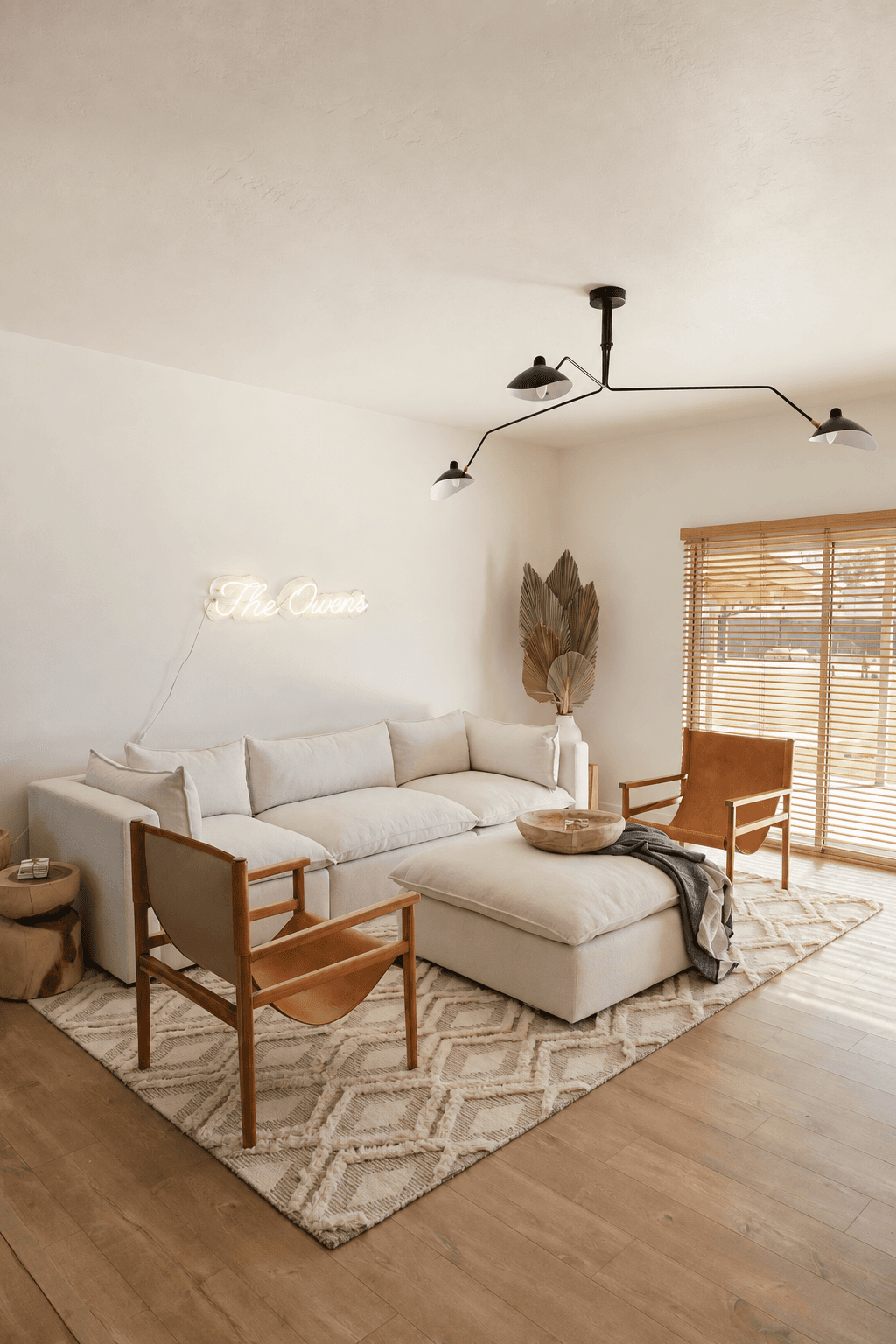
Warm Minimalism 2027 – How to Create a Warm Minimalist Interior
How to create a Warm Minimalist interior? Discover the 2027 trend, colours, materials, lighting and ideas for stylish window treatments.
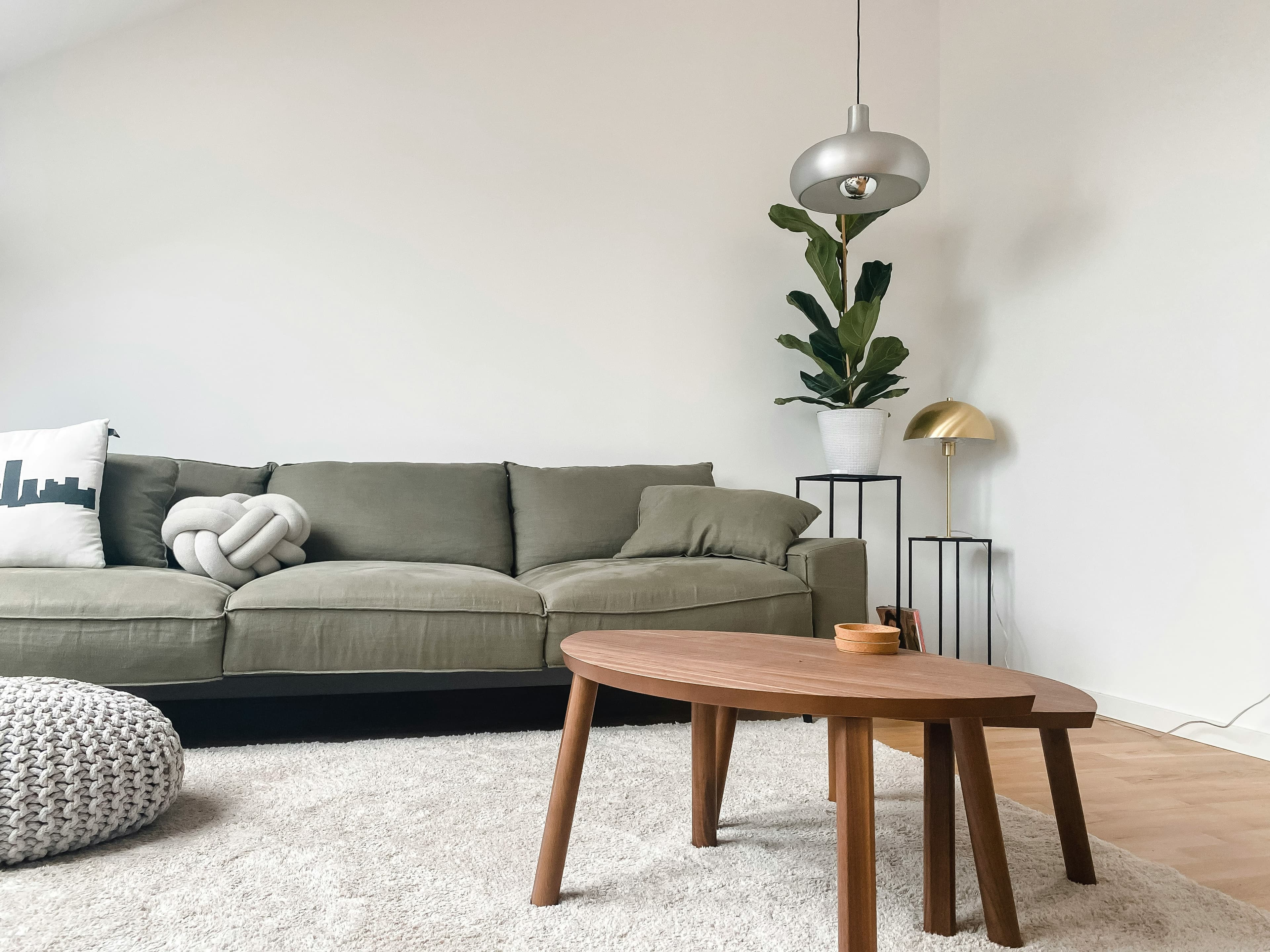
Scandinavian Harmony in Your Home
Minimalism, harmony, and a connection to nature – these three qualities best define Scandinavian interior design.